
Why HDR is better than SDR
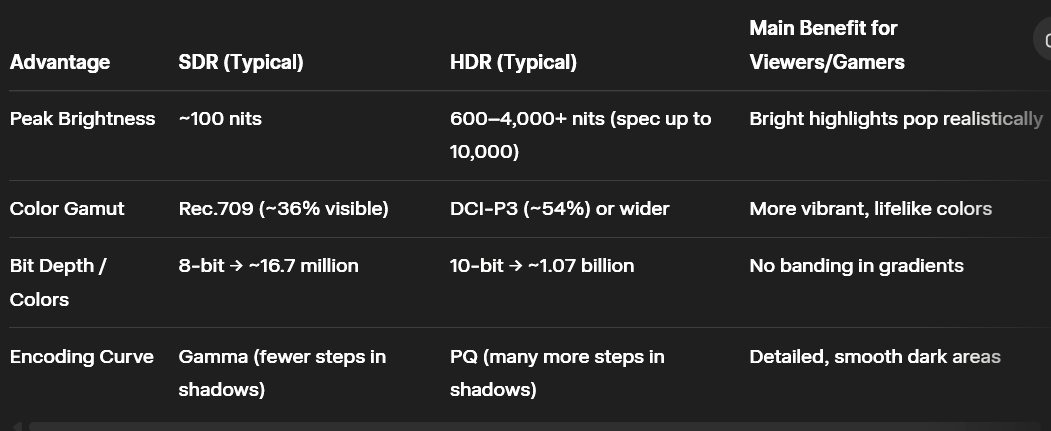
The four core advantages HDR has over SDR are summarized in this table and further explained below.
Summary table
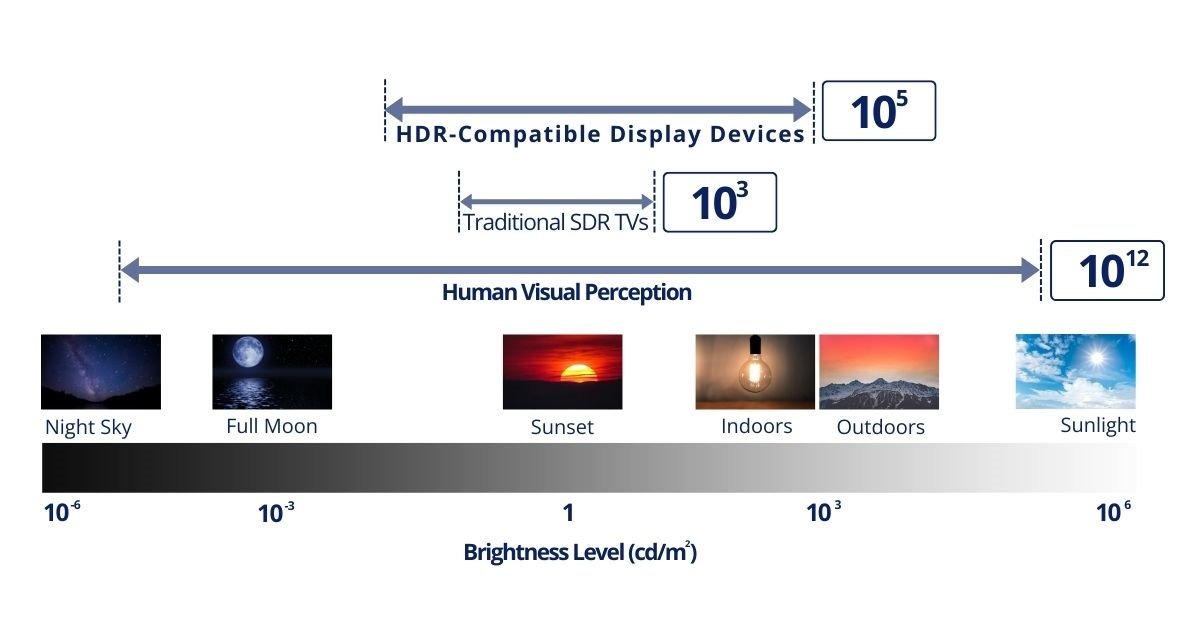
1) More brightness
The HDR standard has up to 10,000 nits. Most TVs however currently have 600–4,000 max luminance. This allows for real simultaneous deep blacks, life-like mid-tones and bright specular highlights (sun reflections, explosions, lights) without clipping or crushing detail—something impossible in SDR's ~100-nit mastering limit. However, gamers typically try and stretch SDR to 200-400 nits maximum luminance (it has further disadvantages, not covered in this article).
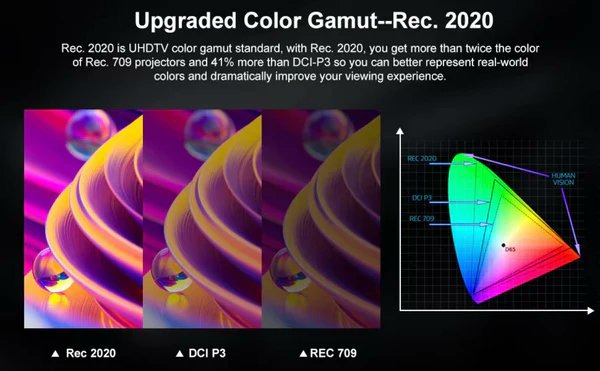
2) Wider color gamut
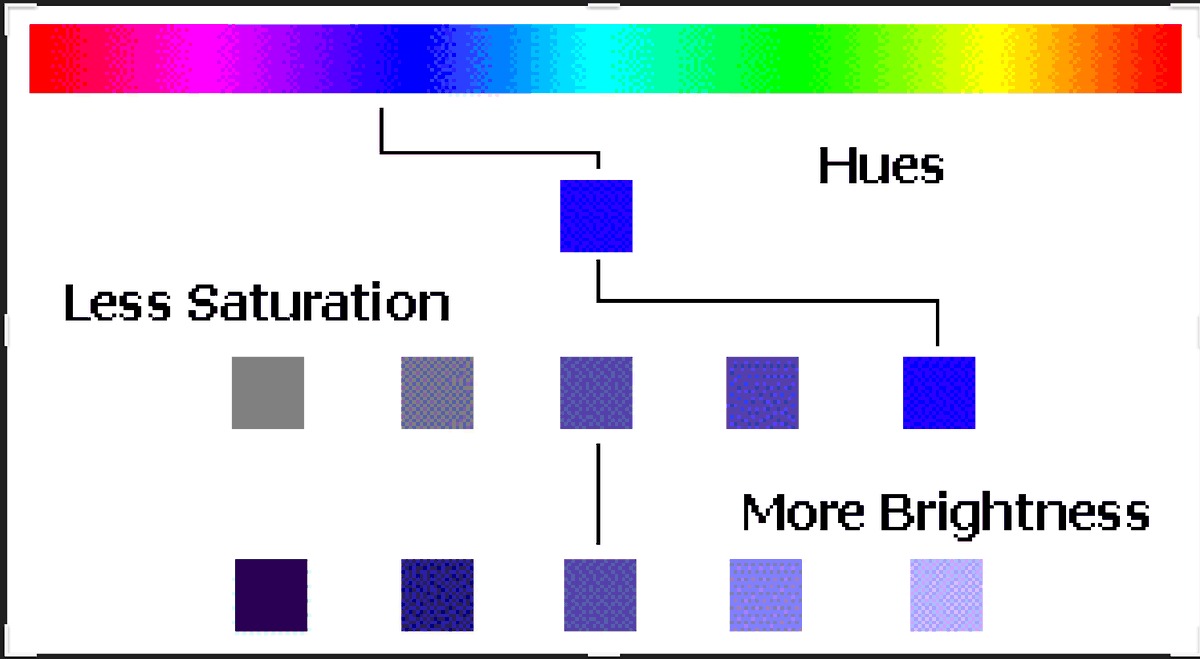
When content is mastered in a wide gamut like DCI-P3 (most HDR movies/games) or approaching Rec.2020, colors can reach higher saturation levels that Rec.709/SDR simply cannot represent. These are more intense, lifelike reds, greens, blues, etc., because the gamut boundary allows purer hues at full brightness/saturation. (Only applies if the game is actually wide-gamut mastered; HDR in many games is unfortunately still Rec.709 colors in an HDR container.)
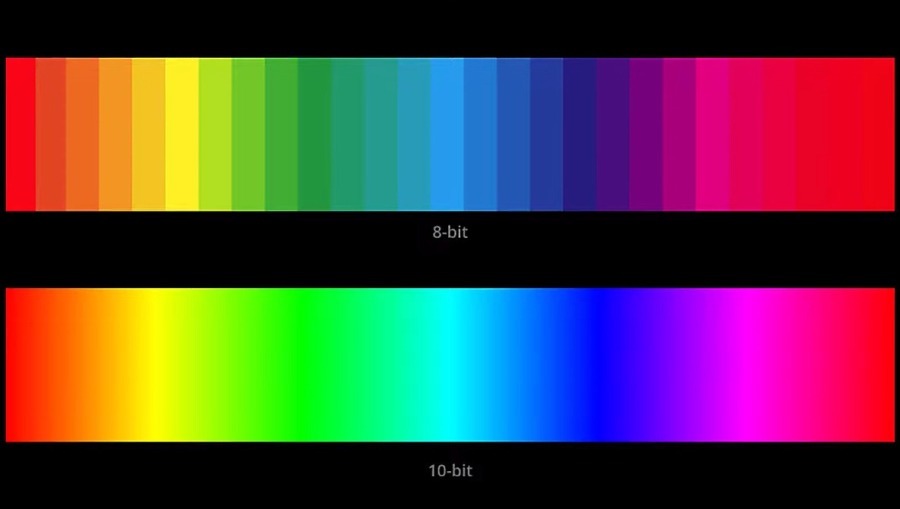
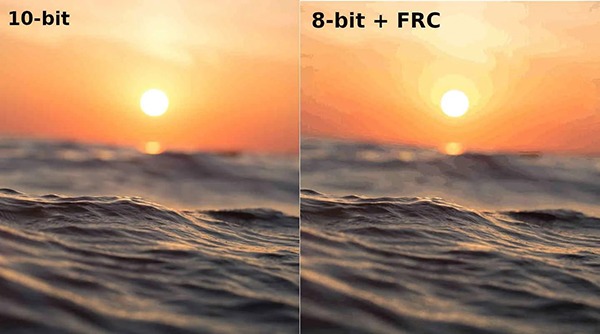
3) Higher bit depth → dramatically more color/brightness steps → far less banding
HDR typically has 10-bit (1,024 levels per channel) vs. SDR's 8-bit (256 levels), providing over a billion possible colors instead of 16.7 million—dramatically reducing visible banding/posterization in gradients, shadows, skies, skin tones, etc.
4) Perceptual Quantizer (PQ) allocates more steps to darker areas → more detail in shadows
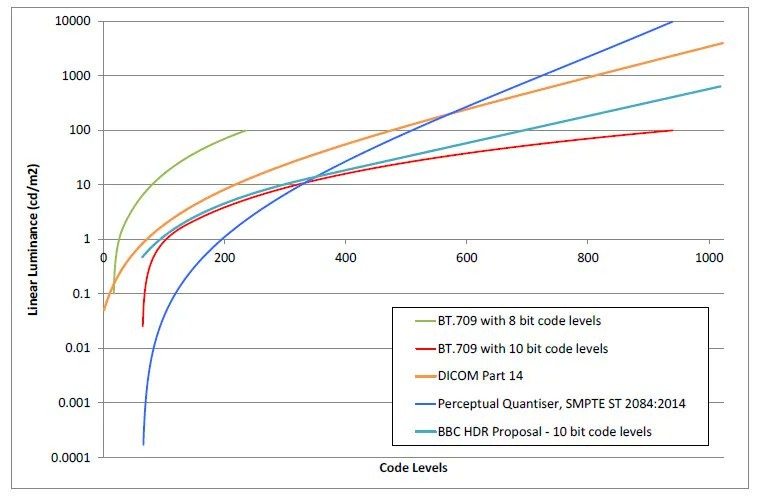
This is a key aspect of HDR many often miss to understand. HDR uses the Perceptual Quantizer (PQ) curve. It has 1024 code values (or steps) to allocate compared to SDR gamma's 256 code values. Both HDR and SDR allocate based on the fact that the human eye perceives brightness differences more easily in shadows than in brighter areas. So they allocate more steps to darker areas than brighter areas (steps get further apart as it gets brighter and brighter). HDR allocates in a much wider brightness spectrum, but because it has many more steps to allocate (1024 vs 256) and it's done on a human eye perceptual basis (more to shadows than to bright areas), shadows in HDR receive 2–4× more steps/levels than in SDR. This results in smoother, more detailed shadows with less banding—especially noticeable in games with caves, night scenes, or moody lighting—without wasting precision on imperceptible differences in bright areas.
Summary
HDR looks noticeably more realistic and immersive than SDR. The improvements aren't just about it being "brighter", HDR also gives us more saturated colors, many more colors, far less banding and better detail in shadows.
You of course need to have a good HDR capable display to enjoy the benefits of HDR, such as an OLED display or a high-end LCD/LED display.